How to Import a Car from Japan to Sri Lanka: Step-by-Step Guide
A practical step-by-step guide to importing a car from Japan to Sri Lanka — choosing a vehicle, auction sheets, CIF value, shipping, customs clearance, taxes and registration.
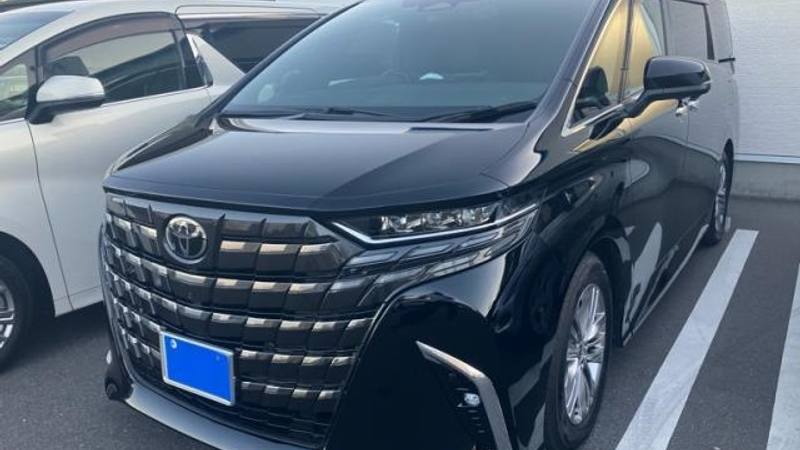
Importing a vehicle from Japan gives Sri Lankan buyers access to a huge choice of well-maintained cars, many with low mileage and full auction history. The process has several stages, and knowing them in advance helps you budget accurately and avoid delays.
1. Decide what you want — and what it will cost
Start with the basics: body type, fuel type (petrol, hybrid, diesel or electric), engine capacity, budget and how you will use the vehicle. Engine capacity matters a great deal in Sri Lanka because excise duty is charged per cc for most passenger vehicles (or per kW for electric vehicles). A small change in engine size can move a car into a different tax band.
Before choosing, run a few scenarios in our vehicle import tax calculator so you understand how CIF value, engine capacity and fuel type affect the total.
2. Find the vehicle in Japan
Most imported vehicles are bought through Japanese auto auctions or from Japanese dealers. Every auction vehicle is inspected and given an auction sheet with an overall grade, an interior grade, a mileage reading and a diagram of any scratches, dents or repairs. Read our guide to Japanese auction grades to understand what the numbers and letters mean.
When you work with Amila Car Sale, we share the auction sheet and photos with you before bidding or purchasing, so you know exactly what you are buying.
3. Agree the CIF value
CIF stands for Cost, Insurance and Freight — the price of the vehicle plus marine insurance and shipping to a Sri Lankan port. Customs duty and most other import taxes are calculated from the CIF value, converted to rupees. See how to calculate CIF value for a worked explanation.
4. Payment, export and shipping
Once the vehicle is purchased, it is de-registered for export in Japan, prepared at the port and shipped — usually on a roll-on/roll-off (RoRo) vessel. The exporter issues documents such as the export certificate, invoice and bill of lading. Payment for imports must go through the formal banking system.
5. Customs clearance in Sri Lanka
When the vessel arrives, the importer (or their clearing agent) lodges a customs declaration. Sri Lanka Customs confirms the vehicle's classification (HS code), checks the documents and assesses the duties. The main components are:
- Excise duty (XID) — based on engine capacity or motor power
- Customs Import Duty (CID) and surcharge
- Luxury tax — only where the CIF value exceeds the threshold for the vehicle category
- SSCL and VAT
- Other levies such as VEL
Our article Sri Lanka vehicle import tax explained describes each one.
6. Registration
After duties are paid and the vehicle is released, it is registered with the Department of Motor Traffic, which issues the registration number and certificate. Insurance must be in place before the vehicle is driven on public roads.
Rules change — always check the latest position
Import eligibility (for example, permitted vehicle age and categories) and tax rates are set by government regulations and Gazette notifications, and they change from time to time. Before committing to an import, check the latest notices from Sri Lanka Customs and the Department of Import and Export Control, or ask us — we keep track of changes as part of every import we handle.
Let us handle it for you
Amila Car Sale Pvt Ltd imports vehicles directly from Japan and manages the process end to end. Tell us what you are looking for or browse vehicles already in Sri Lanka.